If you ask five implant patients how long their treatment took, you may hear five different answers. One person had a single implant placed a few months after a tooth extraction and finished in under six months. Another needed bone grafting, sinus work, and a carefully staged plan that stretched closer to a year. Both stories can be completely normal.
That range is what makes this question harder than it first appears. The dental implant process is not one appointment. It is a sequence of decisions, healing phases, and restorative steps, all tailored to the condition of the tooth, the quality of the bone, the health of the gums, and the way the upper and lower teeth come together. In practice, the shortest cases move quickly because the site is healthy and straightforward. Longer cases take time because the mouth needs to be rebuilt in the right order.
For most people, a realistic estimate is anywhere from about three to nine months from implant placement to final crown. When extractions, grafting, or full-mouth planning are involved, the total timeline can extend to nine to twelve months, and sometimes longer. That does not mean something has gone wrong. It often means the treatment is being done carefully.
The answer depends on where you are starting
A healthy adult who lost a single tooth years ago may already have a fully healed site with enough bone for an implant. In that situation, the process can be relatively efficient. A patient who just broke a tooth below the gumline, however, may need an extraction first. Someone who has worn a loose denture for many years may have significant bone loss and need grafting before implants are even possible.
The timeline also changes based on whether the implant is being placed in the front or back of the mouth. Front teeth demand careful cosmetic planning because the gum shape matters almost as much as the tooth itself. Back teeth are usually under higher biting forces, which means the implant position and healing need to be very stable. Upper jaw bone often heals differently from lower jaw bone as well. The lower jaw is typically denser, while the upper jaw can be softer, especially in the back near the sinus.
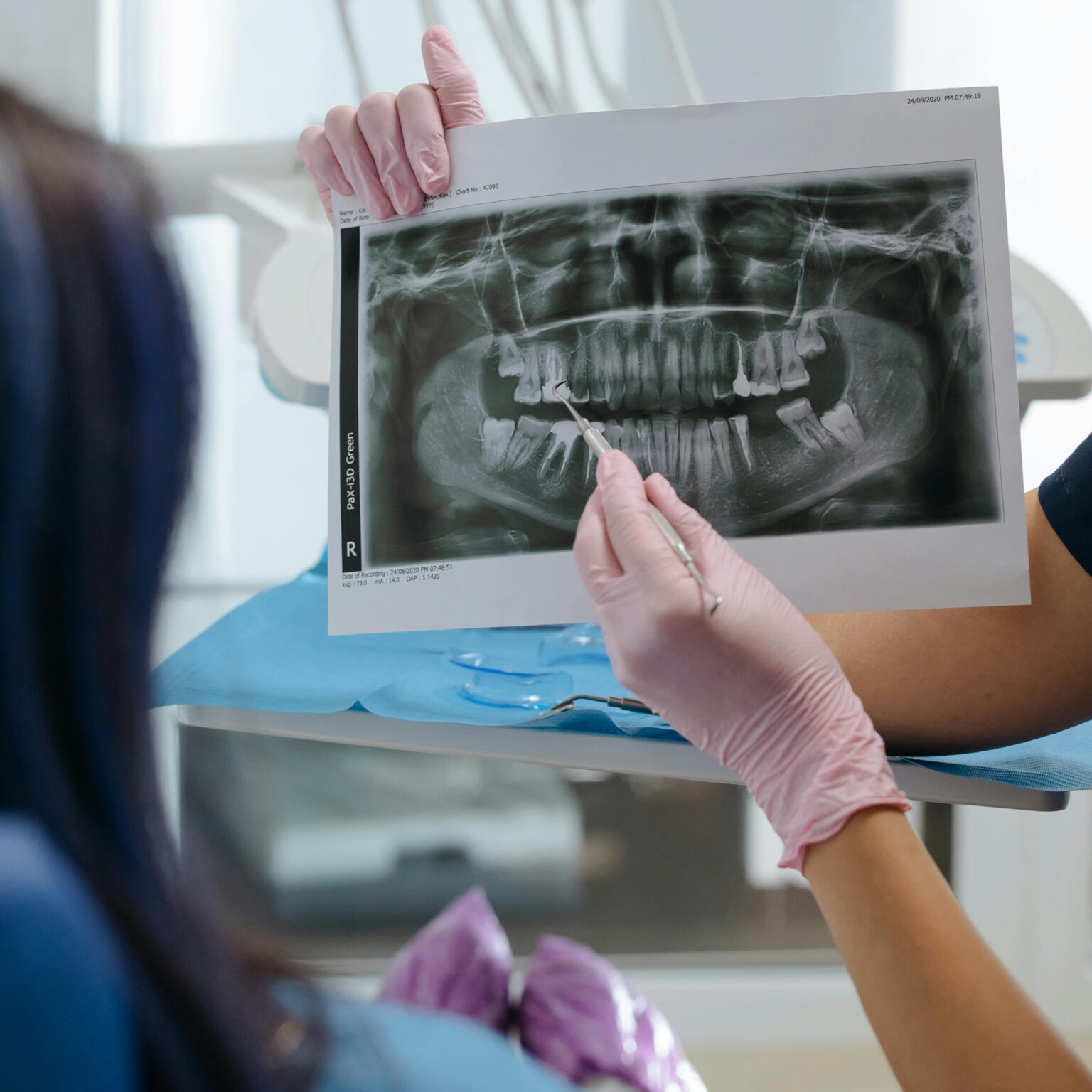
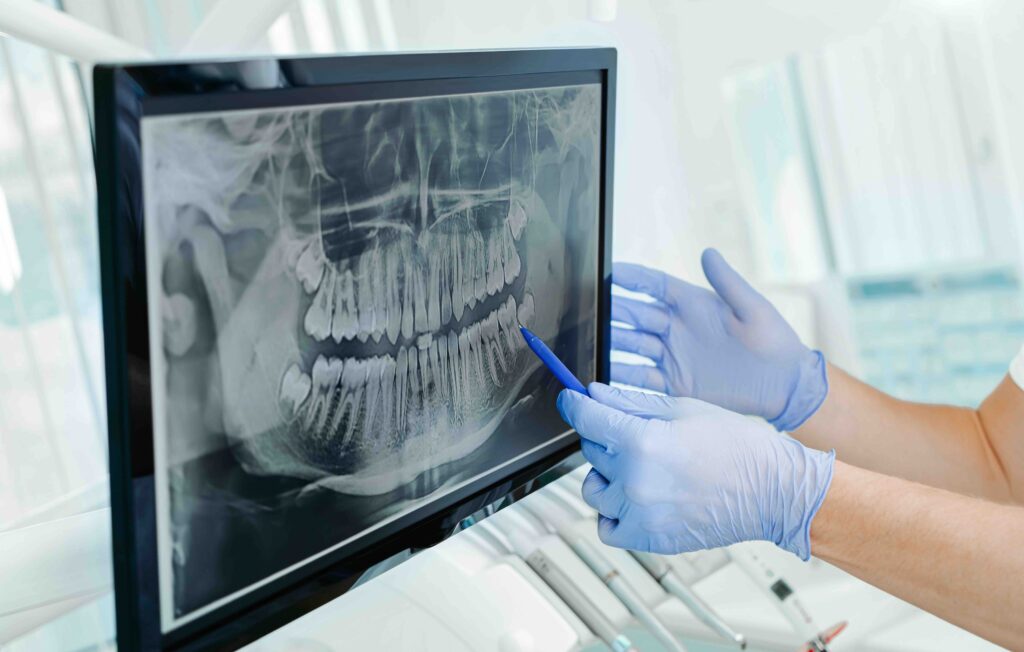
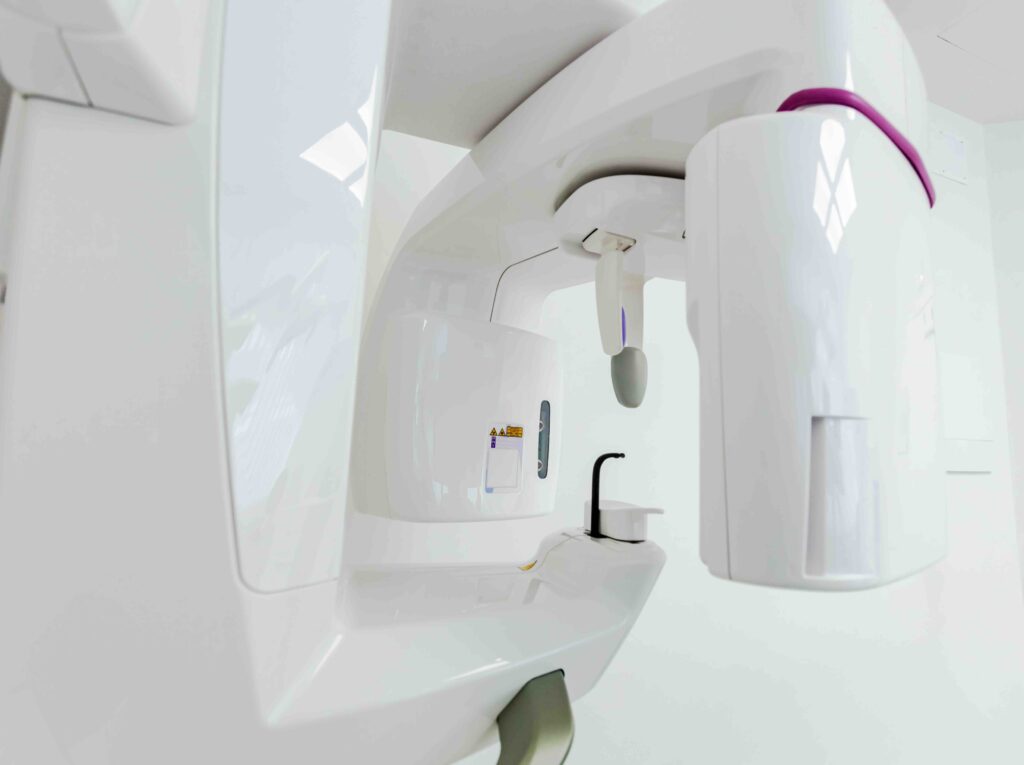
This is why experienced clinicians usually answer the timing question after an exam, X-rays, and often a cone beam CT scan. They are not being vague. They are trying to avoid giving you a timeline that sounds appealing but ignores the biology.
What actually happens during the dental implant process
At its core, a dental implant replaces the root of a missing tooth. A small titanium or ceramic implant is placed into the jawbone. Over time, the bone bonds to the implant in a process called osseointegration. Once that bond is secure, a connector piece called an abutment may be attached, and then the final crown, bridge, or denture is made.
That sounds neat and linear on paper. In real life, there may be preliminary steps before the implant ever goes Dental Implants in. If the failing tooth is still present, it may need to be removed. If the site has infection or too little bone, grafting may be necessary. If the bite is unstable, the dentist may want to protect the future implant by adjusting surrounding teeth or replacing other missing teeth as part of a larger plan.
A patient once described it well after finishing treatment: the surgery felt like the dramatic part, but the healing and planning were the real timeline. That is exactly right. The surgery appointment is often only one small chapter in the total process.
A typical timeline for a straightforward single implant
In a simple case, the sequence often looks something like this.
Consultation and planning, usually over one to three weeks depending on scheduling. Implant placement, sometimes with extraction if the site allows immediate placement. Healing and osseointegration, often around three to six months. Final impressions or digital scans, followed by fabrication of the crown over two to four weeks. Delivery of the final crown and bite adjustments.That means a healthy, uncomplicated case may take roughly four to seven months from surgery to final tooth, and sometimes less if immediate placement and immediate provisionalization are possible. A few cases move faster, especially when the implant achieves excellent initial stability and the bite can be controlled. Still, faster is not automatically better. Stability and tissue health matter more than shaving off a few weeks.
When an extraction changes the calendar
Many patients do not start with an empty space. They start with a tooth that cannot be saved. That adds an important decision: should the implant go in the same day as the extraction, or should the site heal first?
Immediate implant placement, where the implant is inserted at the time of extraction, can shorten the overall timeline. It can also help preserve gum contours, especially in visible front teeth. But it is not appropriate in every case. The remaining bone must be adequate. Infection must be manageable. The implant must be placed in a position that is both stable and restorative, not just convenient for the day of surgery.
If immediate placement is not ideal, the dentist may recommend a delayed approach. The tooth is removed, the site may be grafted, and the area is allowed to heal for several weeks or months before the implant is placed. That can feel slower to the patient, but sometimes it is the safer and more predictable path.
A common range after extraction is eight to twelve weeks of soft tissue and early bone healing before implant placement, though some sites need longer. If significant grafting is involved, healing may be closer to four to six months before the implant can even be considered.
Bone grafting is one of the biggest reasons treatment takes longer
Bone loss often surprises patients. Teeth do not just sit in the jaw like fence posts in concrete. The bone around them is living tissue that depends on stimulation and blood supply. When a tooth is lost, that bone starts to shrink. The longer the space has been empty, the more likely it is that some of the original width and height have disappeared.
If there is not enough bone to place an implant securely, grafting can rebuild the site. Sometimes grafting is minor and done at the same time as implant placement. In other cases, it needs its own surgery and healing phase.
Here are the most common reasons a graft adds time:
- The site needs more width for proper implant placement. The bone height is limited, especially in the upper back jaw near the sinus. A recent extraction left a defect that needs to mature before loading. The gum and bone contours in the front need extra support for a natural appearance. Previous infection or trauma damaged the socket walls.
Minor grafting may add only a few months. A sinus graft or larger ridge augmentation can add four to nine months, sometimes more, before the implant is ready for the next step. Patients often find this frustrating because it feels like waiting without visible progress. Clinically, though, this healing time can make the difference between an implant that simply fits and one that lasts.
Osseointegration is the part you cannot rush
Once the implant is placed, the bone needs time to attach tightly to its surface. That biologic bond is what allows an implant to function like a root. It is also why implants generally feel so solid once they are fully integrated.
This phase often takes about three to six months. Lower jaw implants may integrate a bit faster because the bone is commonly denser. Upper jaw implants, especially in softer posterior bone, may need more time. Smokers, patients with poorly controlled diabetes, and people with a history of gum disease can sometimes heal more slowly or need closer monitoring.
Patients are often surprised that they may feel completely fine long before the implant is actually ready. The gum can look healed, soreness may be gone, and chewing may feel normal on the other side of the mouth. None of that confirms osseointegration. The implant must be tested clinically and sometimes radiographically before the restorative phase begins.
This is one of the areas where clinical judgment matters. A dentist who delays the next step is not necessarily being overly cautious. If the implant lacks ideal stability, waiting can protect the long-term outcome.
Can you get a tooth the same day?
Sometimes, yes. This is where marketing can confuse people. Terms like “same-day implants” or “teeth in a day” describe a real treatment model, but they do not mean every patient walks out with a final, permanent tooth that is ready to handle normal chewing.
In single-tooth cases, a temporary crown may be placed the same day if the implant is exceptionally stable and the bite can be kept light. This is most common in front teeth, where appearance matters and the temporary restoration can be kept mostly out of function. The final crown still usually comes later, after healing.
For full-arch cases, a set of fixed temporary teeth may be attached to several implants on the day of surgery. This can be life changing for carefully selected patients. It also requires disciplined follow-through. Patients usually need a soft diet during healing because those temporary teeth are not a license to chew steak the next night.
The key point is simple: immediate teeth are often temporary teeth. The convenience is real, but so are the restrictions.
The restorative phase is shorter, but it still matters
After the implant is integrated, the restorative work begins. In some systems, a healing abutment is placed to shape the gum tissue before the final impression. In others, digital scanning can begin soon after the implant is uncovered or confirmed stable.
The laboratory then fabricates the final crown, bridge, or denture. This part is often measured in weeks rather than months, but it should not be treated like a quick handoff. The color, shape, contour, contact with neighboring teeth, and bite all need careful attention. A crown that looks nice but is slightly high in the bite can overload the implant. A front crown that fits mechanically but ignores gum symmetry can disappoint even if the surgery was excellent.
For a single implant, the restorative phase often takes two to six weeks. Complex cosmetic cases may take longer because custom abutments, trial restorations, or multiple shade checks are sometimes needed.
Full-mouth or multiple implant cases take longer for good reason
When several teeth are missing, or when all teeth in one arch need to be replaced, the timeline usually expands. Not every step can happen at once. The dentist may need to determine the ideal bite position, evaluate the jaw joints, and decide whether some remaining teeth should be saved, crowned, or removed. A surgeon and restorative dentist may coordinate the plan together, with the lab involved early.
These cases can still move efficiently, but they are less predictable than a single straightforward implant. Healing across multiple sites varies. Temporary prosthetics may need relines or adjustments. Speech adaptation matters. Esthetics can become more complex because the lips, smile line, and facial support come into play.
For that reason, patients considering multiple Dental Implants should expect an individualized timeline rather than a generic promise. A well-planned full-arch case may be worth every extra month if it results in a stable bite and easier long-term maintenance.
What can slow the process down
Not every delay is surgical. Sometimes the timeline stretches because life happens. A patient gets sick and postpones a visit. An insurance authorization takes time. A lab case needs refinement. A temporary breaks because the patient chewed on something hard too soon. These are common, ordinary realities in dental practice.
Medical factors can also change the pace. Active periodontal disease should be controlled before implants are restored. Certain medications may affect healing. Heavy clenching or grinding may call for a night guard and a more cautious loading protocol. Smoking remains one of the clearest risk factors for complications, particularly with grafting and soft tissue healing.
Even anatomy can slow things down. Implants placed near important nerves or the maxillary sinus often require more detailed imaging and surgical planning. None of this means implants are risky by default. It means precise work takes the time it takes.
What patients usually want to know, beyond the official timeline
Most people asking this question are really asking three separate things. How many appointments will I need? How long until I stop thinking about the missing tooth? And how long until I can chew normally again?
The number of visits varies, but a simple case often involves a consultation, a surgery appointment, one or two post-op checks, a restorative scan or impression, and the final delivery visit. Some practices combine steps efficiently. Others split them for clinical reasons.
As for day-to-day comfort, most implant surgeries are easier than patients expect. Mild soreness, swelling, and a few modified meals are common for several days. Many people return to work the next day, especially after a single implant. More extensive grafting or multiple implants can require a slower recovery.
Chewing normally depends on whether you have a temporary tooth and where the implant is located. If the implant is in a visible front area, the temporary may be mostly for appearance, not heavy biting. If it is in the back, you may need to chew on the other side for a while. The final sense of normalcy often arrives when the permanent restoration is in place and the bite has been fine-tuned.
How to keep your treatment on schedule
Patients have more influence over the timeline than they sometimes realize. Good healing habits can prevent avoidable setbacks.
- Keep every follow-up visit, even when the area feels fine. Follow diet instructions carefully, especially with temporary teeth. Do not smoke during healing if at all possible. Clean the area exactly as instructed, including around temporary restorations. Report looseness, swelling, or unusual pain early rather than waiting.
One of the most preventable problems in implant care is overload on a temporary. A patient feels better after a week, starts chewing normally, and the site gets irritated or the temporary loosens. That can add time that was never supposed to be there. Careful early behavior often pays off later.
A few timelines that are realistic in practice
A healthy patient missing one lower premolar with enough existing bone might have a consultation this month, implant placement next month, healing for about three months, and a final crown one month later. Total time, roughly four to five months.
A patient who needs a molar extracted and grafted because of infection might spend two to four months healing after the extraction, then have the implant placed, then wait another three to five months for integration, followed by the crown phase. Total time, roughly six to ten months.
A patient with long-term denture wear and significant upper jaw bone loss may need more advanced imaging, possible sinus augmentation, staged grafting, implant placement months later, and then restorative work after integration. Total time, often nine to twelve months or longer.
These are not promises, but Oaks Dental Dental Implants they are honest ranges. The right timeline is the one that matches the biology of the site, not the one that sounds fastest online.
Why slower can sometimes be better
There is a natural temptation to treat time as the main benchmark. Patients understandably want the process done. Dentists want to deliver results efficiently. Still, with implants, the better question is often not “How fast?” but “How predictably?”
An implant that is rushed into a compromised site may fail early, or succeed initially and struggle later because the gum contour, bite forces, or hygiene access were not handled well. A carefully staged treatment plan may feel longer, but it often protects the investment. That matters because Dental Implants are not just procedures. They are long-term restorations meant to function for years.
Experienced clinicians learn that speed is only valuable when the conditions support it. Immediate placement can be excellent. So can delayed placement. Immediate temporaries can be elegant. So can leaving a site undisturbed to mature. Good implant care is not about using the same timeline for every patient. It is about matching the protocol to the case.
The best way to get a clear answer for your mouth
The most useful estimate comes after a proper exam. That usually includes a review of your medical history, photos, X-rays, and often 3D imaging. Your dentist or oral surgeon can then answer the timing question in a way that reflects your actual anatomy and treatment needs.
Ask whether the site will need extraction first, whether grafting is likely, whether a temporary tooth is possible, and what healing checkpoints must be met before the crown is made. Also ask what could reasonably delay treatment, because that is often more helpful than hearing only the ideal scenario.
For many patients, the implant process takes longer than expected at the beginning and feels shorter than expected once it is underway. The visits are usually manageable. The surgery is often less dramatic than feared. The waiting periods are where patience is required. When those healing phases are respected, the final result is usually worth it: a tooth replacement that looks natural, feels stable, and fits back into daily life without much thought.
That, more than the calendar itself, is the real endpoint people are after.
Oaks Dental
5000 Parkway Calabasas Suite 308
Calabasas, CA 91302, United States
+1 818-431-2000
FAQ About Dental Implants
What is the downside of a dental implant?
Implants require surgery and a healing period that can last several months. Possible complications include infection, nerve or sinus injury, damage to nearby teeth and failure to bond with bone. Your dentist should assess your health, bone support and alternatives before recommending treatment.
What do dental implants typically cost?
There is no single price for every implant case. The number of teeth replaced, implant components, final restoration and any grafting or extractions affect the total. Request a written estimate covering every stage and confirm insurance benefits and out-of-pocket costs with the practice.
How long do tooth implants last?
An implant can provide long-term support and may last a lifetime with good oral hygiene and regular dental care, but this is not guaranteed. The crown or other restoration may need replacement sooner. Smoking, gum disease and some health conditions can reduce implant success.